As any seasoned gardener or homesteader knows, a plant’s health and vitality are deeply rooted—quite literally—in the condition of its root system. An innovative technique that has been gaining traction in recent years is known as Root Air Pruning. Root Air Pruning benefits include healthier plants overall, and a greatly reduced need for additional inputs typically required to maintain a thriving garden.
In this blog post, we will explore the concept of root air pruning, its many benefits, and how it can inspire and transform your gardening practices, motivating you to achieve healthier and more productive plants.
What is Air Pruning?
Root Air Pruning is a technique often used in the world of horticulture that involves exposing the tips of plant roots to air, which results in them naturally pruning themselves. Most often this technique is achieved by planting seedlings in a container that allows for air to flow through the soil to the developing root system.

Popular growing container options for air pruning are mesh or fabric planters that are designed especially to provide optimum aeration and water drainage. These Air Pruning Pots allow roots to grow to the edge of the container, encountering air and dehydrating the root tip, which stunts the growth of that root. This signals the plant to produce more lateral roots from its main taproot, which ultimately creates a dense and more fibrous root system.
Root Air Pruning Benefits
An Enhanced Root System for Improved Nutrient Uptake

When growing in a traditional container, roots will continue reaching forward in search of nutrients to absorb, but will eventually run into the sides of the container. This will cause the main roots to continue growing alongside the inner walls of the container and become tangled up together in such a way that restricts their ability to absorb water and nutrients. Air pruning allows root systems to grow more robust, filling out the pot with multiple young, healthy and vigorous lateral roots branching from the main stem.
It is mainly the root hairs that are responsible for nutrient and mineral absorption; therefore a dense and fibrous root system with a greater surface area of lateral roots covered in root hairs will see a significant increase in nutrient uptake. Plants with air pruned root systems will see increased nutrient absorption, allowing the plant to grow healthy and vigorous. This can serve as an advantage in organic gardening, as the need for synthetic inputs will be greatly reduced.
Improved Water Management & Resistance to Common Disease
Air-pruned roots will not only absorb water more efficiently, but will help to maintain moisture in the soil. For gardeners and homesteaders trying to conserve water, or in areas where there are restrictions on watering, this can be beneficial by reducing the watering needs of the garden. A larger root mass that holds onto moisture will also keep the plant healthy and hydrated during times of drought, which will reduce potential stress to the plant.
A fibrous root system not only allows moisture to be retained, but it also promotes airflow through the soil and creates a balanced environment for soil organisms. This means that water and nutrients are taken up as needed by the roots, reducing the risk for common root disease such as root rot. A more balanced rhizosphere creates an environment that is also less likely to support pathogenic organisms, allowing for mainly beneficial organisms to thrive.
Stronger Natural Growth without the Need for Inputs
The increased nutrient and water uptake efficiency and a healthier root system will inevitably result in faster plant growth, increased vigor and larger plant canopies. This faster growth can allow gardeners to enjoy more bountiful and earlier harvests, with potentially multiple growing cycles within a season. This accelerated growth can be particularly advantageous for those seeking to maximize food production in limited space.

Furthermore, the improved growth comes without the need for additional inputs like synthetic fertilizer or concentrated nutrients that can potentially leach into waterways. As the dense root system extracts nutrients from the soil more effectively, gardeners can focus on organic and sustainable practices to help support their crops - saving money and reducing their environmental impact. For growers that value sustainability, root air pruning can be an efficient step to an eco-friendly garden.
Additionally, many air-pruning containers are made from materials that are recycled or recyclable, and durable enough to last several growing seasons, further reducing the environmental footprint of your gardening practices.
Bringing Air Pruning to Life: Real-World Applications for Gardeners and Homesteaders
Choosing the Right Containers
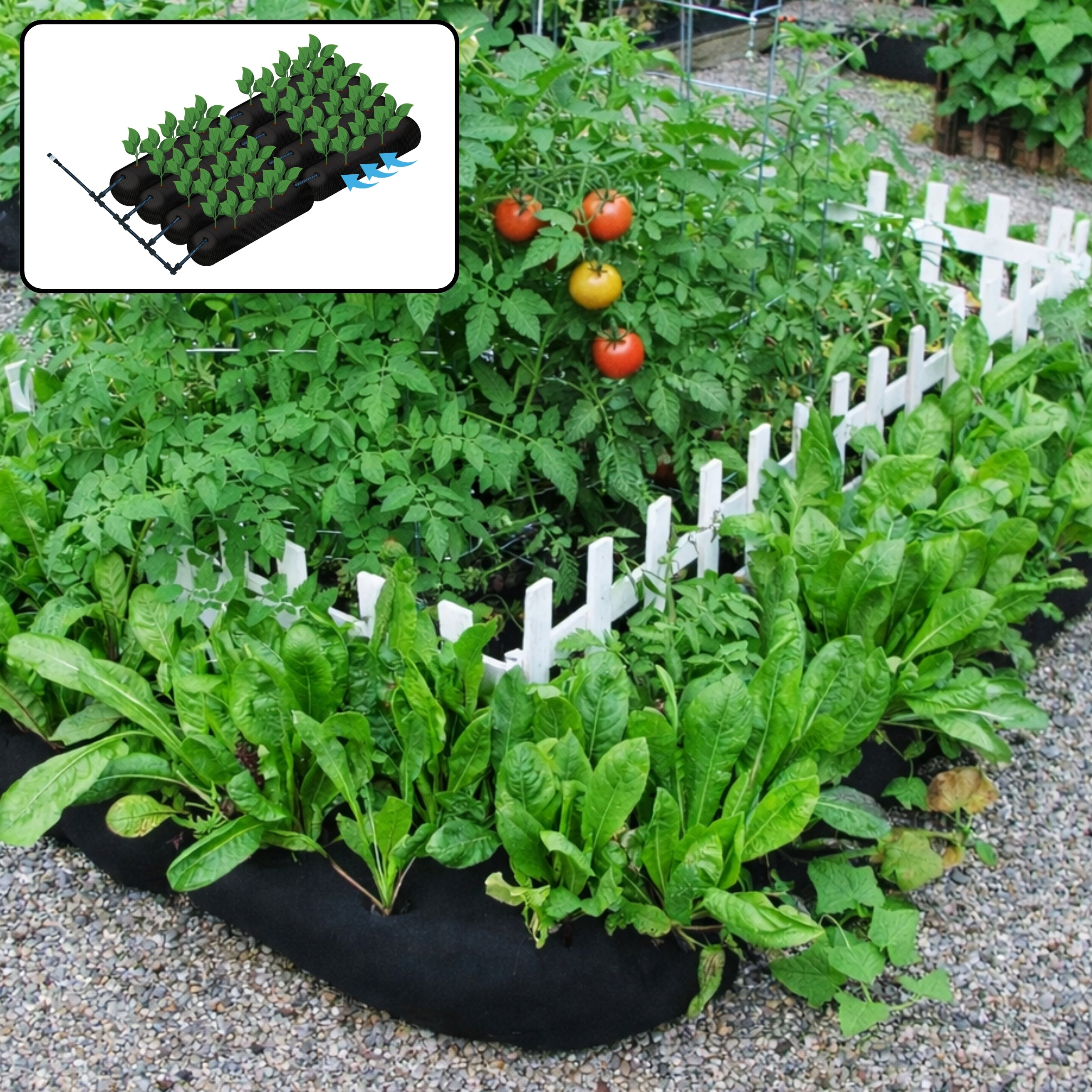
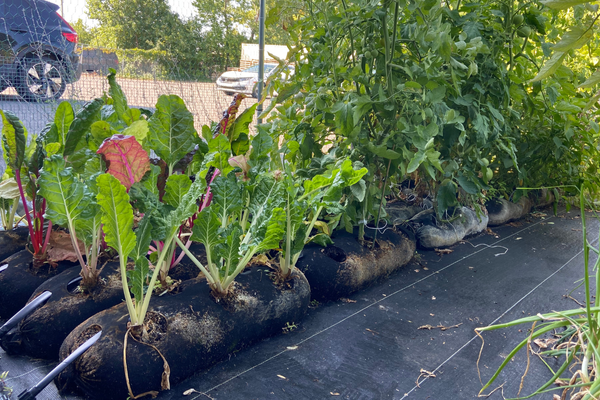
Choosing the appropriate container to implement air pruning techniques is crucial. Air-pruning pots made from plastic with perforated sides are a practical option. Fabric planting containers, like GardenSoxx, are a popular choice for their versatility and efficiency. GardenSoxx are made from durable, breathable mesh that allows for optimum airflow, encouraging the natural pruning of roots. Available in various widths and lengths, GardenSoxx can accommodate different types of plants, from small herbs to larger vegetables and fruits - providing options for growers of all calibers.

GardenSoxx are particularly advantageous because of their versatile configuration. This fabric planter gardening system can be placed on the ground, in raised beds, or vertically, making them ideal for maximizing space and adapting to different gardening environments. The recyclable mesh ensures excellent drainage and aeration, preventing waterlogging and promoting healthy fibrous root development.
The breathable fabric helps maintain optimal moisture levels while providing the necessary airflow for root health. Gardeners and homesteaders can quickly implement air pruning and enjoy the benefits of a healthier, more productive garden with GardenSoxx.
Choosing the Right Growing Medium
High-quality soil is essential for successful root air pruning—a well-draining, nutrient-rich potting mix ensures the roots can access what they need. Start with a high-quality organic soil or a mix that has a high percentage of organic matter. Adding in pure compost can also improve the structure and soil fertility, ensuring a thriving soil microbiome that will support and enhance the benefits of root air pruning.
Planting Tips and Garden Maintenance
If you are planting in individual air pruning pots, it is important not to overcrowd them, typically using just one plant per pot. In larger air-pruning containers, be sure to space plants far enough from one another so their root systems can develop properly.
The GardenSoxx system allows for a bit more versatility, as multiple plants can thrive in a 2ft section of GardenSoxx. Be sure to water your plants regularly, but take care not to overwater - as most air-pruning containers offer excellent drainage, this is less likely to occur but should still be monitored.
Adding a layer of mulch at the soil surface can help to retain moisture in the soil and regulate the temperature of the soil. This is not necessary with GardenSoxx, as the mesh combined with the plant canopy will help to regulate the soil temperature.
Although air-pruning can greatly reduce plant stress and potential disease, regularly inspecting your plants for problems is still advised. Detecting problems early on and implementing the proper interventions can make a big difference over the course of the growing season.
Some Common Concerns About Air Pruning
While some air-pruning pots and containers may come at a higher price point than traditional growing containers, the long-term benefits will often be worth the investment. Healthier plants that require less inputs and produce a higher yield can lead to significant savings over time.
Fabric planter systems like GardenSoxx can be used for several growing seasons and use far less soil than raised bed gardens. GardenSoxx Kits come with all parts needed for a drip irrigation system, which makes them cost and water-efficient.

The GardenSoxx Learning Curve
For those new to air pruning and GardenSoxx, understanding the best soil preparation, watering, and plant spacing practices might seem daunting at first. However, the principles are relatively straightforward, and GardenSoxx's design simplifies the process.
Soil Preparation: Fill your GardenSoxx with a high-quality, well-draining potting mix. Adding organic matter, such as compost, can improve soil structure and fertility, enhancing the benefits of air pruning. Moreover, the superior airflow the GardenSoxx offer makes it possible to grow in 100% compost.
Watering: Regular watering is essential, especially during the initial stages of growth. GardenSoxx's fabric construction ensures excellent drainage, reducing the risk of overwatering. Monitoring soil moisture levels and adjusting your watering schedule based on plant needs will help maintain optimal conditions. GardenSoxx kits have a complete irrigation system, making them simple and easy to use.
Plant Spacing: When planting in GardenSoxx, ensure adequate spacing for optimal root development. The flexible nature of GardenSoxx will enable you to configure them in various layouts, maximizing your gardening space while promoting healthy plant growth. Additionally, you can visit our "What Can I Grow" page to get valuable information on plant spacing.
Monitoring Plant Health: Regularly inspect your plants for signs of stress or disease. Despite the benefits of air pruning, plants can still be susceptible to pests and diseases. Early detection and intervention can prevent minor issues from becoming major problems.
Numerous resources are available to help gardeners and homesteaders start with GardenSoxx, including "How To" videos, which provide valuable insights. We are always here to support GardenSoxx growers, making the transition to air pruning with GardenSoxx smoother and more successful. By embracing this innovative technique and leveraging the benefits of GardenSoxx, gardeners can achieve healthier plants and more bountiful harvests.

Root air pruning offers many benefits for gardeners and homesteaders, from enhancing plant health and growth rates to reducing the need for water, fertilizers, and chemical treatments. By promoting the development of a robust and efficient root system, air pruning helps create a more sustainable and productive garden environment. Whether you're a seasoned gardener looking to optimize your yields or a homesteader striving for self-sufficiency, incorporating air pruning into your gardening practices can lead to healthier plants and a more bountiful harvest.
Embrace this innovative technique and experience its transformative impact on your garden and homestead.