By the time the last tomatoes come inside, most of us have stopped paying much attention to the soil. The garden looks like it's winding down, so it makes sense to assume the soil is winding down with it.
But take a closer look at the space where a plant grew all summer. Old roots and organic material are still there. What happens to them now, and does soil really rest in winter?

Beneath a busy summer garden
A tomato plant does much more than hold tomatoes. Its roots spread through the soil, taking up water and nutrients while releasing small amounts of sugars and other compounds into the area immediately around them. Bacteria, fungi, and other organisms live there too. Some break down organic material; others form relationships with plant roots or help nutrients move through the soil.
Roots still need enough water, air, and available nutrients. Poor drainage, compacted soil, or a long stretch without rain can make life difficult for plants and soil organisms alike.
That physical side of soil often gets less attention than the question of what to add to it. Water can soak in; roots can find their way through; air can reach the spaces between particles. Organic matter helps with that structure. So do living roots and the channels they leave behind as they grow.

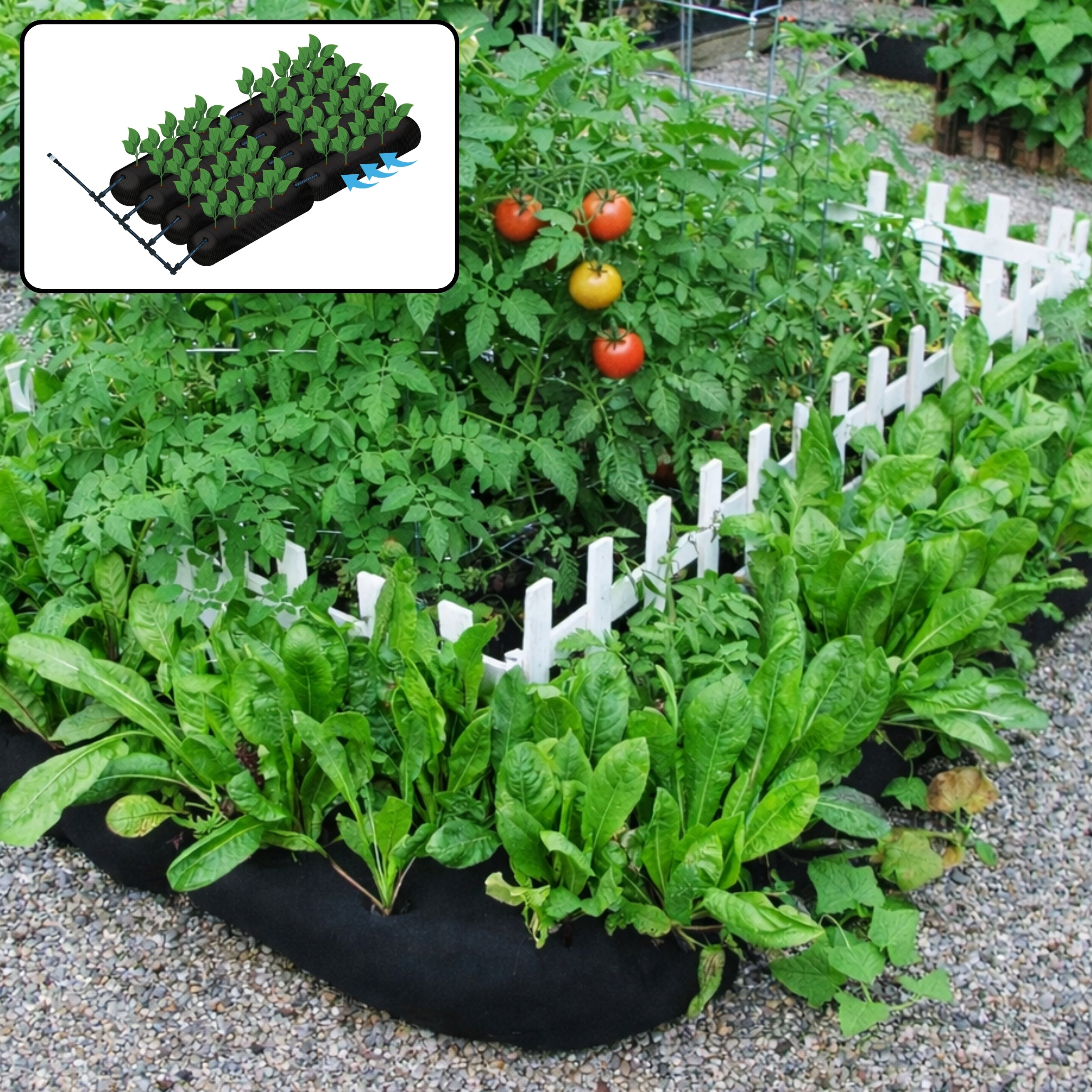
Whether you garden in the ground, in raised beds, or in GardenSoxx, you're working with that same combination of living organisms and physical space. It helps to think about both before deciding your soil needs another product.
The quiet work after a plant is gone
When a healthy annual plant finishes for the year, its roots don't vanish. Left in place, they gradually become food for soil organisms. As roots break down, the spaces they occupied may remain for a while, making pathways for water and for roots that come later.
This is not an overnight transformation. A fine lettuce root and a thick tomato root won't break down at the same rate. The weather makes a difference too. Decay may continue through mild, damp stretches of fall and slow dramatically when the soil gets cold. If you uncover recognizable roots in spring, nothing has gone wrong. Nature hasn't missed a deadline.
That is part of the appeal of cutting healthy plants at the base instead of pulling every last root out. It's an option for an in-ground bed or a raised bed, and it's easy to do in GardenSoxx, where the soil remains contained between seasons. Diseased material calls for more care, since some problems can persist in plant debris. Our guide to wrapping up the garden before the first frost goes into the practical cleanup decisions in more detail.
The interesting part here is what remains after the cleanup: soil that has been shaped by a whole season of roots. Keeping that soil in place gives you a chance to build on it next year.
Does soil go to sleep in winter?
Not exactly. Cold temperatures slow many of the processes taking place in soil, and frozen ground is a very different environment from a warm July bed. But winter doesn't erase everything that happened during the growing season. Roots, decomposing material, and the soil's structure are still there, even when you can't see much activity.
The experience also varies with where and how you grow. A garden in a mild southern climate may continue growing cool-season crops and supporting active roots through winter. In colder, northern areas, growth slows much more sharply. Soil in an above-ground container or planting system may cool differently from soil deep in the ground. Those differences matter when you're deciding whether to plant something for winter or leave the space alone.
Ask instead: will this space be exposed to heavy rain, wind, and repeated disturbance, or is it already reasonably protected until spring?
Why gardeners grow a crop they don't plan to eat

Cover crops are planted for the job they do while they're growing and, often, for what they leave behind. A cover crop can hold soil in place, take up available nutrients, and add organic material later. Living roots also keep occupying the soil after the vegetables have finished.
A cover crop needs time to establish. Some, such as oats, are often used where gardeners want winter to kill the growth; others may survive the cold and need to be managed before spring planting.
For example, if a large vegetable bed opens up with plenty of growing time left, a cover crop may be worth considering. If frost is close and you plan to plant early spring greens in that same space, the seed may have little time to grow and the remaining plants could become another task when you're ready to sow. A small bed might simply be easier to protect with suitable organic cover.
GardenSoxx offers the same choice on a smaller scale. You can plant a cover crop in a section with enough time and room, but it isn't a requirement for keeping the soil healthy. Some sections may still hold herbs, strawberries, or cool-season vegetables; others may be empty and ready for next spring.
What compost actually changes
Compost is often described as “feeding the soil,” which is a useful shorthand, but it can sound as though you need to keep adding it on a schedule. Finished compost contributes organic material, some nutrients, and a range of materials that affect how soil holds water and air. What it does in your garden depends on what's already there and how much you use.
A soil level that has dropped in a raised bed or GardenSoxx section is easy to notice. Organic material has broken down, the growing medium has settled, and some may have been lost while harvesting or removing plants. Topping up can make sense. An in-ground bed may have different concerns: perhaps the surface crusts over, water sits in one spot, or plants struggle despite regular watering.

Compost can help improve many soils, but it doesn't tell you whether the pH is suitable or whether a particular nutrient is lacking. If you had repeated problems this season, a soil test can be more useful than guessing at the solution. Otherwise, a modest addition of finished compost, when needed, is often enough to maintain a productive growing space.
Give soil some room to hold together
There is a satisfying look to freshly turned soil. The problem is that a neat surface tells you very little about what happened to its structure underneath. Repeated digging can disrupt the spaces roots and organisms created, while walking on a bed or working it when it's wet can press those spaces together.
But a bed doesn't need to be completely turned over simply because a new season is coming. In-ground gardeners can keep their feet on paths. Raised-bed gardeners can prepare the places they'll plant without reworking the whole bed. GardenSoxx gardeners can keep using the contained soil and refresh areas where they'll put new plants.

The aim is to make the soil workable for roots. When water sinks in and a handful crumbles rather than forming a hard lump, those are useful clues that you're giving plants a good place to start.
What this means for next year's food
There's a certain pleasure in eating a tomato while you're still standing beside the plant. Soil is part of the story of how that tomato grew, but it would be a stretch to promise that food from “living soil” is automatically more nutritious or that it changes your gut health. Variety, weather, harvest timing, and storage all play a role in the food you finally eat.
The more practical connection is one you can see from season to season. Soil that lets water move, gives roots space, and has enough organic matter and nutrients supports plants you can keep growing and harvesting. You can notice when one section dries too quickly, when a bed settles, or when a crop struggles in the same spot again. Those observations help you care for the soil you already have.
Once the garden is quieter, spend a moment looking down rather than looking for the next plant to pull. The roots of this year's harvest, the compost that has settled into the bed, and the spaces left in the soil are all part of next year's starting point.