Rising food costs and a decline in the nutrition of available produce has driven many people to begin growing their own food at home. Home gardeners are enjoying the challenges and rewards that come with creating a garden space, especially in urban areas as it allows them to connect with nature in an otherwise unnatural surrounding.

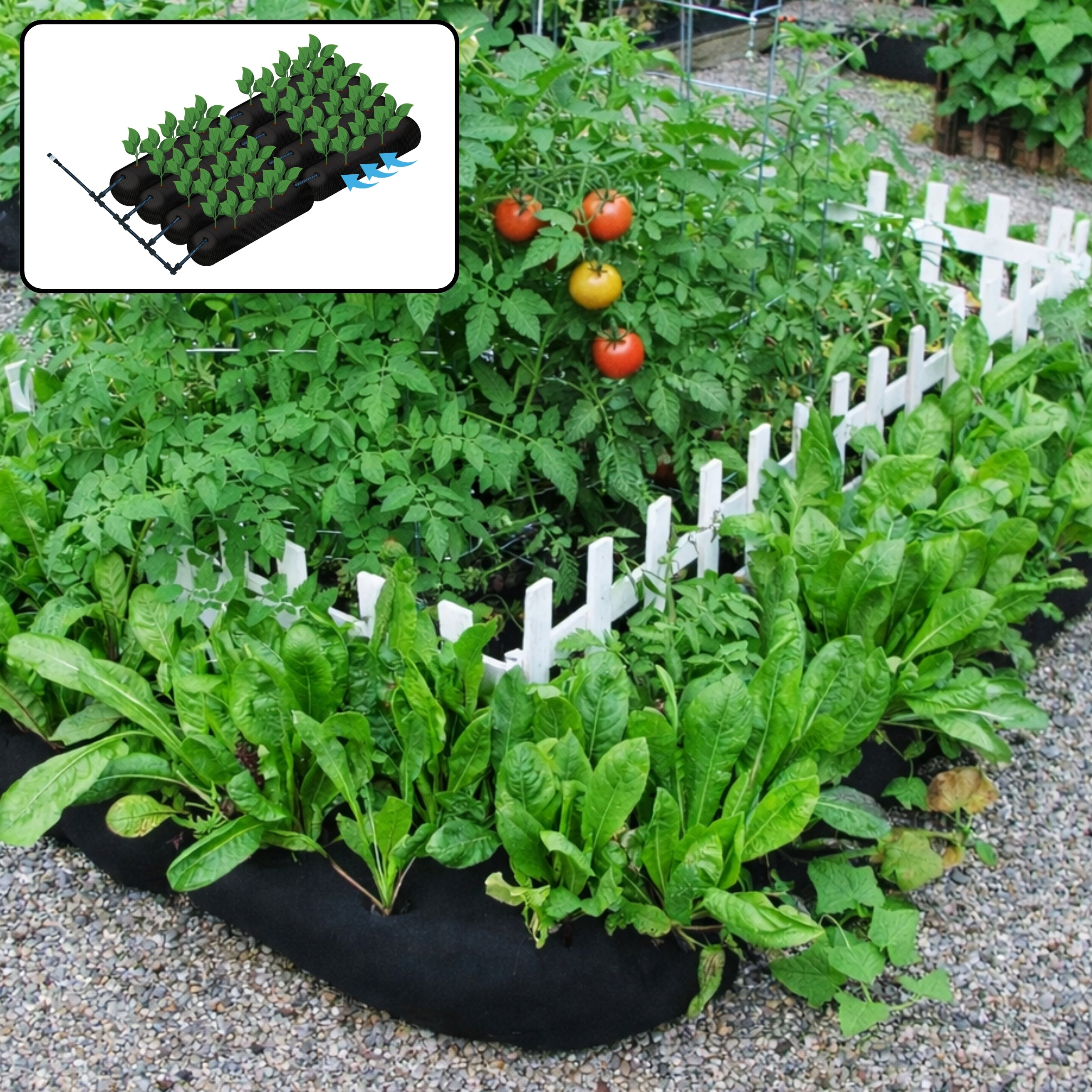
Container gardening systems like GardenSoxx make it possible to grow nutrient-rich crops virtually anywhere—even on concrete or balconies. Join us as we share some home garden tips for garden space optimization, focusing on high-nutrition crops that offer multiple harvests throughout the season, so as to make the most of whatever space you do have.
The Ideal Gardening System for High-Nutrition Crops
GardenSoxx not only helps optimize space and soil health—it also supports high yields of nutrient-rich produce. While it can be nice to grow a tomato plant or two, some strawberries and fresh herbs, focusing on high-value, nutrient-dense crops helps you get the most health and harvest out of your space. If you can get a significant portion of your nutrition from just a few carefully selected plants, you will see the difference both in your health and your wallet.
Keep in mind that GardenSoxx can be used on balconies, and can even be arranged vertically to maximize your growing potential. Or, if you share a common outdoor space with others, using GardenSoxx as a communal garden packed with high-nutrition produce can be a great way to connect with your neighbors and build community.
Nutrient-Dense Vegetables & Crops To Add to Your Home Garden
Easy to grow and extremely versatile, Kale is a great nutrient-dense vegetable to grow at home. It does not take a ton of space, allowing it to also be grown vertically if necessary. Not only is kale packed with fiber and nutrients, with proper harvesting, kale is a cut-and-come-again leafy green that produces continuously well into the fall, even winter depending on your growing zone.

Quick-growing and space efficient, pole beans are an excellent choice for GardenSoxx as they can be trained up a trellis, leaving room for other crops to be planted in the same section. Additionally, their ability to fix nitrogen in the soil can help boost the crops they are planted beside. Beans will also yield multiple harvests throughout the growing season. Leave some pods to dry on the plant in the fall—this gives you free seeds for next year, turning one packet into a lifetime supply.
A kitchen staple that adds flavor to any dish, and is also highly medicinal, Garlic bulbs can be stored for long-term use and preserved in various ways. Much of the garlic that we find in grocery stores comes from China and is often treated with a growth inhibitor. When growing your own, choose some of the nicest, biggest bulbs to replant in the fall and benefit from an unlimited supply year after year.
While you may need a slightly larger space than a balcony for growing squash and pumpkins, these high-yielding crops grow very prolific in the GardenSoxx system and can be trained up a trellis if needed. Nutrient-dense and great for long-term storage, this crop is an excellent choice for extending the consumption of your home-grown produce well into the winter months.

An excellent option for direct-sowing into your garden, spinach is a reliable, quick-growing crop that typically comes with a high price tag in grocery stores, making it a cost-effective choice for the home gardener. This cold-hardy green is nutrient dense and versatile, making it excellent as a salad base, side dish or snuck into smoothies to boost their nutrition.
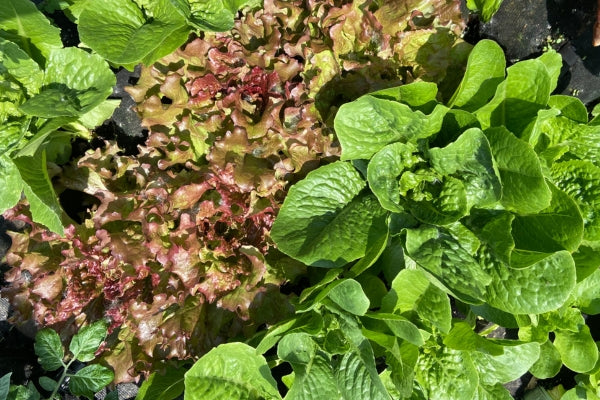
While it isn’t as nutrient-rich as some other vegetables, lettuce still boasts a good amount of vitamins, is easy to grow and can be grown quite intensively in a system like GardenSoxx. Opt for varieties like romaine and buttercrunch as they tend to be reliable and hold up well in different climates. Lettuce is also a crop that can be harvested continuously throughout the season, provided you harvest the outer leaves, leaving the core to continue producing.

Nutrient-packed cabbage may take some time to grow, but a little bit goes a long way. Not just for coleslaw and cooking, but cabbage can be fermented and stored for longer periods as sauerkraut or kimchi which are packed with gut-balancing probiotics.
Another excellent option for optimizing garden space is growing fresh herbs. Herbs are extremely versatile and often very medicinal - they can be used in cooking but also in teas, tinctures and other herbal remedies. Buying fresh herbs at the grocery store can be costly, but growing them at home allows you to continuously harvest throughout the season and preserve by drying or freezing, allowing you to use them all year round.
Focusing on quick-growing crops like radish and carrots can also be an excellent way to maximize your garden’s output. These are ideal crops for succession planting in a small-space garden. Some varieties of radish can be planted and harvested as early as 25 days later, opening up space that can be used again for the same crop or something new.

Preserving Your Harvest: How to Maximize the Value of Your Crops
Learning ways to preserve your garden harvest is a valuable skill to develop in order to maximize your garden efforts. Properly preserving your high-nutrition crops will save money and reduce your food waste, while ensuring that your homegrown produce lasts and continues to benefit you throughout the winter months. No matter what crops you choose to grow, there is a preservation method that works for locking in their flavor, freshness and nutrition.
Whether through a water bath or pressure method, canning is an effective way to preserve crops that don’t necessarily have a long shelf life once they are harvested. Fruiting crops like tomatoes, cucumbers, beans and berries (prepared into jam) can be turned into shelf-stable food that does not require refrigeration. The most important thing is to always follow safe canning practices and tested recipes in order to ensure food safety and prevent any spoilage.

Freezing can be a good preservation method, and works best for leafy greens and hardier vegetables like broccoli, cauliflower and peppers. To preserve flavor, texture and nutrients, some produce should first be blanched before freezing - while other items like herbs can be chopped and frozen into ice cube trays with olive oil. Use frozen produce within 3 to 4 months for the best taste and texture.
For herbs especially, but also other moisture-rich crops like tomatoes, zucchini and berries - dehydrating is a great way to preserve nutrients and flavor. Dehydrated produce is perfect for teas, trail snacks (think zucchini or apple chips!), spice blends, or long-term pantry storage.

For longer-term storage with additional health benefits, fermenting certain crops like cabbage, cucumbers and garlic can add gut-healthy probiotics to your harvest while preserving it in a natural way. Have fun experimenting in small batches to find the flavors that best suit your taste.
GardenSoxx helps you make the most of your space, but choosing the right crops and preservation methods helps you make the most of your harvest. Creating a garden plan and strategy during the winter months is a good way to better prepare yourself for the growing season and takes the guesswork out of an already busy time of year when it does finally arrive. Focusing your growing efforts on crops with high nutrient content, quick growing times or that are easily preserved for long-term storage will allow you to feel like your gardening efforts are contributing to your health and wellness in a variety of ways.