Gardening is supposed to be enjoyable. But after an afternoon of bending, kneeling, lifting, pulling and dragging a hose around the yard, it doesn’t always feel that way.
If gardening leaves you sore, or if changes in strength, balance or mobility have made some tasks more difficult, you don’t necessarily have to give it up. Often, the answer is to change how and where you garden. A more thoughtful layout, a few better tools and a growing system that works with your body can remove a surprising amount of effort from the process.
Accessible gardening isn’t only for older adults or people with limited mobility. Most gardeners would benefit from doing less heavy lifting and spending less time hunched over a garden bed. The goal isn’t to remove all the work. It’s to avoid unnecessary strain so you have more energy for the parts you actually enjoy.
Here are ten practical ways to make gardening easier on your body.

1. Bring the garden closer to you
One of the simplest changes you can make is to put the garden where it fits naturally into your day. Grow fresh herbs near the kitchen door. Place frequently harvested vegetables beside the patio or along a walkway you already use.
When a garden is tucked into the farthest corner of the yard, every small task requires another trip. Watering, harvesting and checking for pests all involve more walking and carrying. Over a season, those extra steps add up.
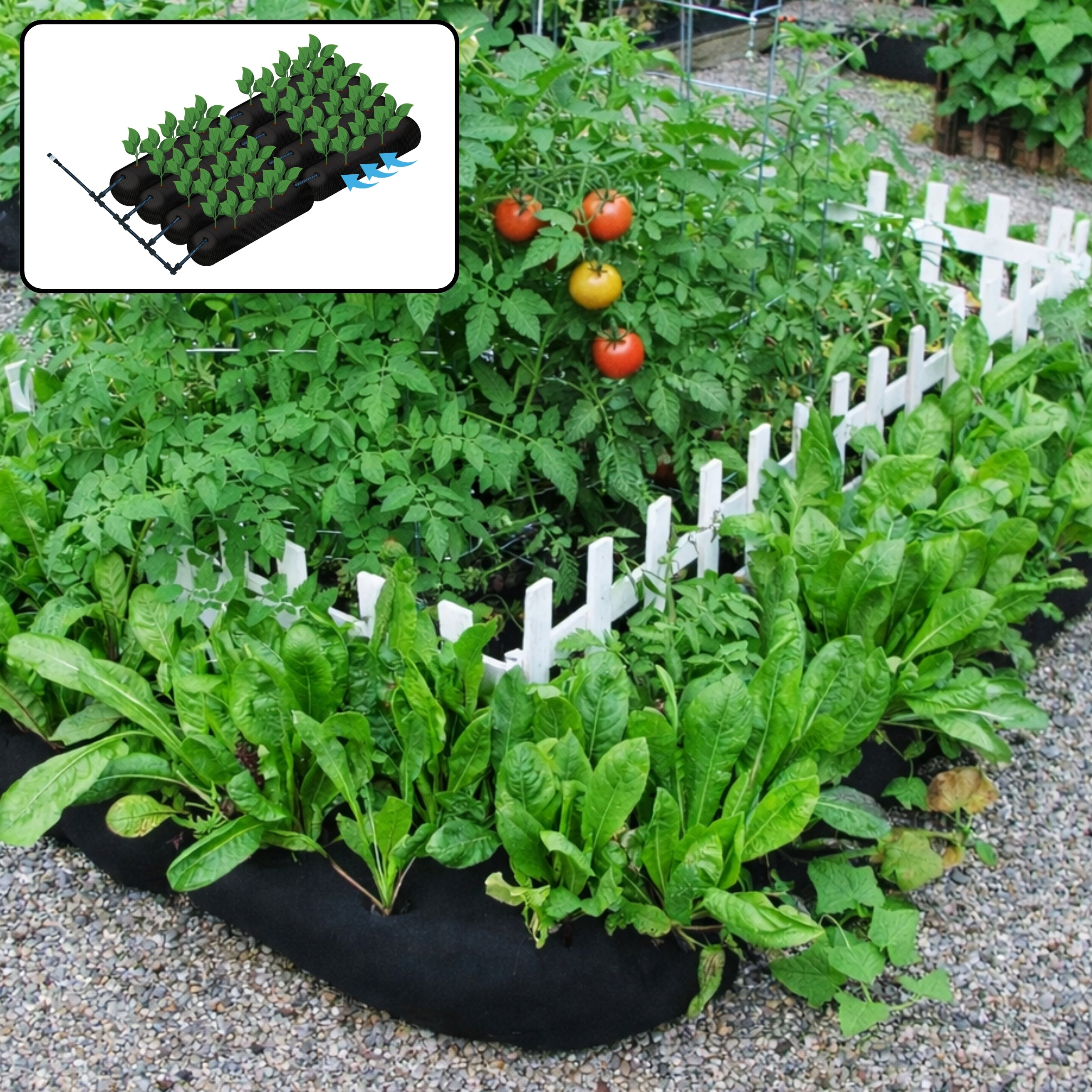
This is one reason surface-based systems can be useful. GardenSoxx can be installed on grass, patios, rooftops, asphalt or concrete, so you aren’t limited to the places where you can dig. You can choose a location because it is convenient, sunny and comfortable to reach.
2. Raise plants to a comfortable height
Repeatedly bending to ground level can be hard on the knees, hips and lower back. Raising even part of the garden can make planting, pruning and harvesting much more comfortable.

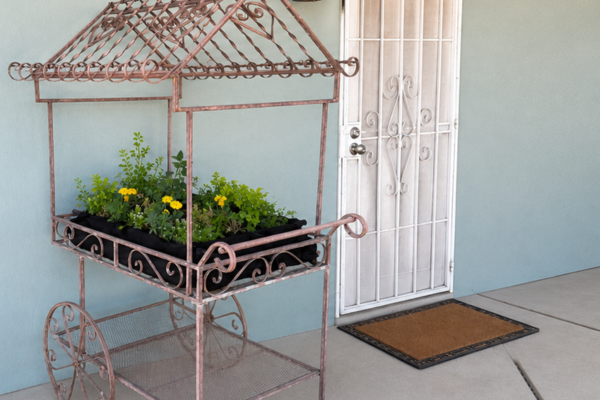
You could use tall containers, a garden table or sturdy shelving designed to support the weight of wet soil. Short GardenSoxx sections can also be placed on a strong raised surface, bringing plants closer to standing or seated height. This can be especially helpful for gardeners who use a chair or mobility aid.
The right height is different for everyone. Before setting up, sit or stand where you expect to work and test how far you can comfortably reach. You shouldn’t have to lean across the growing area or twist to reach the plants at the back. Keep herbs, greens and other frequently harvested crops in the easiest spots.
3. Make room to move comfortably
Good garden design isn’t only about what happens inside the growing area. The space around it matters just as much.
Paths should be wide enough to move through without squeezing between plants or stepping over irrigation lines. If someone uses a wheelchair, walker or garden cart, allow room to approach the garden and turn around. Firm, level surfaces are generally easier to navigate than loose gravel, deep mulch or uneven ground.

Because GardenSoxx sections can be laid out in straight lines, curves or separate groupings, the garden can be arranged around the available pathways. You don’t have to reach across a wide, fixed bed. Leave comfortable access between sections, and keep hoses, tools and supplies out of travel areas.
4. Break large jobs into smaller ones
It is easy to overdo it at the beginning or end of the season. There is always a temptation to plant the entire garden in one weekend or clean everything up in one afternoon. But as we get tired, we tend to lift less carefully, grip tools more tightly and stay in awkward positions too long.
Divide large jobs into shorter sessions. Plant one area today and another tomorrow. Alternate between tasks instead of repeating the same movement for hours. A timer can be a helpful reminder to stand, stretch, drink some water or stop for the day.
The garden itself can be divided into manageable pieces. For GardenSoxx, we often recommend sections approximately two to three feet long when easier filling, placement or movement is a priority. You can begin with a few sections and add more later instead of creating more garden than you can comfortably maintain.
5. Reduce digging and heavy construction
Starting a garden doesn’t have to mean removing sod, turning compacted soil or building a wooden frame. Those jobs require strength, tools and materials that may be difficult to transport.

No-dig gardens, containers and above-ground systems can all reduce the initial workload. GardenSoxx can be placed directly on many existing surfaces, with no frame to build and no ground to excavate. Once filled, the mesh keeps the growing medium contained and ready for planting.
Soil is still heavy, of course. Have it delivered as close to the garden as possible and ask for help during setup. Move smaller amounts rather than one large load, and avoid lifting while twisting. Some assistance at the beginning can create a garden that is much easier to manage independently for the rest of the season.
6. Take the work out of watering
Watering cans become heavy quickly, and dragging a full hose can strain the hands, shoulders and back. An irrigation setup takes a little planning, but it can eliminate one of the garden’s most repetitive jobs.
Drip irrigation delivers water along the growing area without requiring you to stand and hold a hose. The GardenSoxx Home Kit includes drip tape, fittings and a hose connector, so irrigation is built into the system. Adding a timer can make watering even more hands-off and help keep it consistent during hot or busy days.

Plants should still be checked because weather, plant size and soil moisture will affect how often you need to water. But checking the growing medium is much easier than carrying water to every plant.
7. Choose tools that work with your body
The right tool doesn’t have to be complicated. A lighter weight, padded grip or longer handle can make a familiar task noticeably easier.
Look for tools that feel comfortable without requiring a tight grip. Long-handled weeders can reduce bending, while angled handles may keep the wrist in a more natural position. Keep pruners sharp so they cut without extra force. If kneeling is comfortable, use a padded kneeler with handles to help you get up. If it isn’t, bring the work to a better height instead.
Store frequently used tools near the garden rather than carrying them back and forth. A lightweight cart or caddy can keep everything together. A lower-maintenance growing setup also means fewer occasions to turn soil, repair bed edges or bring out heavy tools.

8. Prevent weeds before they become a major job
Weeding combines several uncomfortable movements: bending, kneeling, gripping and pulling. It is much easier to remove a few young weeds during a regular garden check than to tackle a deeply rooted patch all at once.
Mulch can suppress weeds in traditional beds, while closer plant spacing can reduce the open soil where seeds take hold. It is also worth being realistic about how much space you want to maintain. A smaller growing area that you can care for comfortably is more rewarding than a large plot that becomes overwhelming by midsummer.
GardenSoxx keeps the growing medium contained and separate from the surrounding ground, greatly reducing weeds within the planting area. A few windblown seeds may still appear, but they can usually be spotted and removed early. Less weeding means less strain and more time for planting, harvesting or simply enjoying the garden.
9. Choose plants that suit the way you garden
Some plants ask more of the gardener than others. Large, sprawling crops may need regular pruning, staking and searching through dense leaves. Others are compact, productive and easy to reach.
Herbs, leafy greens, radishes and strawberries can all work well in an accessible garden. Bush varieties of beans, cucumbers or tomatoes may be easier to manage than vigorous vines, depending on your setup. Trellises can bring climbing plants upward, keeping the harvest visible and off the ground.
Plants you harvest often should be closest to you, while crops needing less attention can go farther away. With a modular system such as GardenSoxx, plants can be grouped according to how you use and care for them. A small kitchen garden might sit near the door, while another section holds longer-season crops.

10. Let your garden change with you
A garden does not have to look the same every year. Your available time, energy and mobility may change, and the garden can change with them.
If a spot becomes difficult to reach, reconsider the layout. If you want less work next season, reduce the number of plants or focus on the ones you enjoy most. Scaling down is not giving up. A small garden that fits comfortably into your life is far more useful than a large one you dread maintaining.
This flexibility is an important part of GardenSoxx. Unlike a permanent raised bed, individual sections can be rearranged from one season to the next. Short sections may also be repositioned when they are light enough to move safely. The garden can adapt to a patio, a wider pathway, a raised surface or a new plan without requiring you to start over.
Pay attention to what your body is telling you
There is a difference between the normal effort of being active and pain that tells you something isn’t right. Take breaks before you are exhausted, work during the cooler part of the day and stay hydrated. Avoid lifting more than you can comfortably handle, and ask for help with heavy materials or awkward jobs.
Most importantly, don’t treat pain as something you must push through to be a “real” gardener. If a task hurts, look for another way to do it. Persistent or significant pain should be discussed with an appropriate healthcare professional, who may also be able to suggest adaptations suited to your needs.
Build the garden around the gardener
An accessible garden is not a lesser version of a traditional garden. It is simply a garden designed with the person using it in mind.

Bringing plants closer, raising them to a comfortable height, automating irrigation and reducing digging and weeding can make gardening more enjoyable at any age. These changes can help someone continue a lifelong hobby, return to gardening after time away or try growing for the first time without feeling intimidated by the physical work.
GardenSoxx was designed around many of these same ideas. It makes it possible to grow on different surfaces, avoid building permanent beds, reduce weeding and arrange the garden to fit the gardener. It won’t remove every physical task, and it doesn’t need to. Its real value is helping remove some of the barriers between people and the simple pleasure of growing something themselves.
Gardening may always involve a little dirt, effort and patience. It just doesn’t have to hurt.