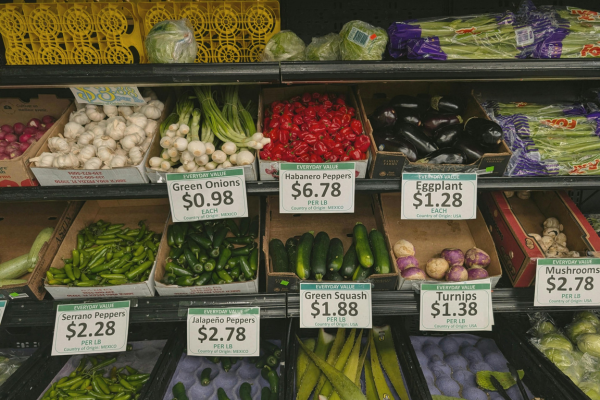
A small package of fresh basil can cost nearly as much as a whole basil plant. A bag of salad greens disappears after two lunches. And somehow, a handful of cherry tomatoes can add several dollars to your grocery bill.
These are the kinds of purchases that make growing your own vegetables seem particularly appealing. If you're already buying fresh produce every week, why not grow some of it yourself?

Of course, anyone who has spent a Saturday afternoon buying compost, seedlings, and gardening supplies knows that growing food isn't necessarily cheap. A vegetable garden costs money to establish, and even a productive one requires some ongoing investment.
So, is gardening actually cheaper than buying vegetables?
It can be, especially when you concentrate on crops that are expensive at the grocery store, produce over a long season, and don't require much growing space.
It becomes a matter of choosing which vegetables are a better investment than others - and which ones make the most sense for you to grow in your home garden.
Is Gardening Cheaper Than Buying Vegetables?
The answer depends partly on what you grow, but also on how much you're spending to grow it. Starting a vegetable garden from scratch usually means purchasing some combination of soil, compost, seeds, seedlings, containers, irrigation supplies, and gardening tools. If you're building traditional raised beds, lumber and other materials can add considerably to that initial expense.
These costs can make your first growing season more expensive than expected. A $5 tomato seedling isn't much of a bargain if you spend $200 setting up a garden to grow it. But most gardening expenses do not repeat year after year.

A well-maintained growing setup can be used for multiple seasons. Basic tools last for years, many seeds can be saved for future planting, and established soil can be replenished with compost and appropriate amendments rather than replaced entirely. Once those initial expenses are behind you, the economics of growing your own food at home starts looking quite different.
Your growing conditions matter, too. A sunny garden with healthy soil and reliable access to water has a better chance of producing worthwhile harvests than one struggling in the shade, with poor drainage, and soil that is depleted of nutrients.
It is also important to look at what your and your family actually eat. Growing 30 pounds of zucchini isn't particularly economical if your family gets tired of it after the first five. For most households, the greatest potential savings come from replacing regular grocery purchases with vegetables harvested throughout the season.
The Best Vegetables to Grow to Save Money
If saving money is your top priority with gardening, then you need to figure out which vegetables deserve a spot in that garden. The most cost-effective vegetables to grow are the ones that typically have higher retail prices, offer generous harvests, or have the ability to produce repeatedly throughout the season.
The following crops are particularly worth considering:
1. Fresh Herbs

Fresh herbs are among the easiest grocery purchases to replace with homegrown produce.
A small package of basil, parsley, or cilantro can cost several dollars, and there's a reasonable chance half of it will wilt in the refrigerator before you use it. But growing your own means that you can cut off just what you need, when you need it, with no waste and a constant fresh supply.
Basil is especially productive when harvested regularly. Pinching stems just above a pair of leaves encourages branching, giving you a fuller plant and more opportunities to harvest. Parsley is another option that can provide repeated cuttings, while chives, mint and sage can return year after year.
Thyme, oregano and rosemary are hardy enough to last the whole summer season and into the fall, and can then be dried and stored for use through the winter.
If you normally buy a $3 package of fresh herbs every other week, replacing just ten of those purchases over the growing season would keep $30 in your pocket.
2. Lettuce and Salad Greens
If you regularly buy packaged salad mixes, growing lettuce is worth considering. Loose-leaf varieties are particularly useful because you don't have to harvest the entire plant at once. Pick the larger outer leaves, leave the centre growing, and return when you need more.

Arugula, spinach, and mesclun mixes are great choices for relatively small spaces. The main limitation is temperature. Many salad greens prefer cool weather and become bitter or bolt during summer heat.
Planting in spring and again in late summer can give you two productive growing periods, depending on your climate. The financial advantage comes from being able to harvest smaller amounts as needed. Rather than purchasing a full package of greens that might spoil before you finish it, you can pick enough for that day's meal.
For households eating salads several times a week, those avoided grocery purchases can add up over a season.
3. Cherry Tomatoes
Cherry tomatoes aren't necessarily the cheapest tomatoes to grow, but they're often among the most rewarding financially. They tend to be expensive when purchased in small supermarket containers, yet a healthy, well-supported plant can produce fruit steadily for weeks.
Indeterminate varieties continue growing and flowering until frost or other conditions bring the season to an end. Give them plenty of sunlight, consistent moisture, and enough room for their roots to develop. If you're regularly buying a container of cherry tomatoes for salads and snacking, even one productive plant can replace several purchases over the summer.

Of course, this assumes the tomatoes actually make it into the kitchen. Cherry tomatoes have a habit of disappearing during garden inspections.
4. Kale and Swiss Chard

Kale and Swiss chard deserve more attention from gardeners trying to stretch their grocery budgets. Both produce substantial leafy growth, tolerate repeated harvesting, and can remain productive for months with the right growing conditions.
Instead of pulling the entire plant, remove mature outer leaves and allow younger growth to continue developing. Swiss chard is particularly useful because it tolerates warmer temperatures better than many traditional salad greens. While kale often improves in flavour after exposure to light frost, extending its usefulness into autumn in cooler regions.
These are particularly worthwhile crops if you regularly purchase bunches of cooking greens. A few established plants can provide repeated harvests without the expense of buying new seedlings or seeds each time.
5. Bell Peppers
Bell peppers (especially red, yellow and orange varieties) can be expensive in stores, while growing them in the garden does require a bit more patience.

Peppers generally need warm temperatures, consistent moisture, and a long enough growing season to mature properly. Green peppers are harvested before full ripeness, while coloured peppers need additional time on the plant. Gardeners in shorter-season climates may find early-maturing varieties more reliable.
A productive pepper plant can provide several harvests, although yields vary considerably with weather and growing conditions.
The potential savings are greatest if you're someone who buys peppers regularly, particularly the more expensive coloured varieties. Just remember that peppers need a fairly long growing season, so their financial value depends on getting a good harvest.
If you only use one occasionally, another crop might offer better value.
6. Cucumbers
Cucumbers are prolific growers in the right garden conditions. Just a few healthy plants can produce more cucumbers than a household expects, particularly during peak summer growth.
Harvesting frequently encourages continued production and prevents fruits from becoming oversized and seedy. Vining varieties can also be trained vertically, making them useful for gardens where ground space is limited.
Choose varieties based on how you'll use them. Slicing cucumbers are convenient for everyday meals, while pickling varieties are useful if you preserve your harvest.
Cucumbers are a good example of why productivity alone doesn't guarantee savings. A plant producing twenty cucumbers is only saving you money if those cucumbers replace something you would otherwise buy.
7. Green Beans

Green beans are an economical choice for gardeners who want productive and reliable harvests without having to buy expensive seedlings. They're easy to start from seed once the soil has warmed, and a packet generally contains enough seeds for multiple plantings.
Bush beans are compact and produce their main crop over a relatively short period. Pole beans require support but can continue producing for longer when harvested regularly. For a steady supply, sow additional bush beans every two or three weeks while your growing season allows.
Starting beans from seed keeps planting costs low, and the ability to harvest repeatedly makes them particularly useful in a garden focused on savings. Fresh beans can be eaten immediately, blanched and frozen, or preserved for later use.
They're also one of those vegetables that taste noticeably better when picked young and cooked the same day.
Vegetables That May Be Cheaper to Buy
Some vegetables are inexpensive at the grocery store because commercial growers produce them efficiently and at enormous scale. Potatoes, carrots, and onions are good examples.
They're excellent crops to grow for flavour, variety, or enjoyment, but their relatively low supermarket prices can make meaningful savings difficult, especially when growing space is limited.
Sweet corn presents another challenge. Each stalk generally produces only one or two usable ears, and corn typically needs to be planted in groups in order for it to pollinate successfully. That takes considerable room for a fairly modest harvest.
None of this means these crops aren't worth growing. Homegrown potatoes can be delicious, and freshly harvested sweet corn is hard to beat. But if reducing grocery expenses is your main objective, crops that produce repeatedly are usually a better place to start.
How to Make a Small Vegetable Garden More Economical
While you don't need a large backyard to grow a useful amount of food, you do need to be selective about how you use the space available to you.
Start with your grocery receipts. Which fresh vegetables do you buy every week? Which ones are expensive, spoil quickly, or are frequently purchased in small quantities? Those are your strongest candidates.
Grow from seed when it makes sense. Lettuce, beans, radishes, and many herbs are relatively easy to start from seed, often for a fraction of the cost of purchasing multiple transplants. You don't need to start everything indoors, either. Many vegetables grow perfectly well when sown directly into the garden. Check your growing zone frost dates and plan accordingly.

Prioritize repeated harvesting. Crops like lettuce, herbs, kale, beans, and indeterminate tomatoes can provide food over an extended period. That's often more valuable than a crop occupying the same space for months before producing one harvest.
Plant in succession. Rather than sowing all your lettuce or bush beans at once, stagger the plantings to spread out the harvest. This will reduce waste and help to keep fresh vegetables available longer.
Invest in a growing setup you can reuse. It's easy to spend more than necessary building a garden, particularly if you're starting from scratch. Before purchasing materials, consider how much growing space you actually need and whether your setup can serve you for several seasons.
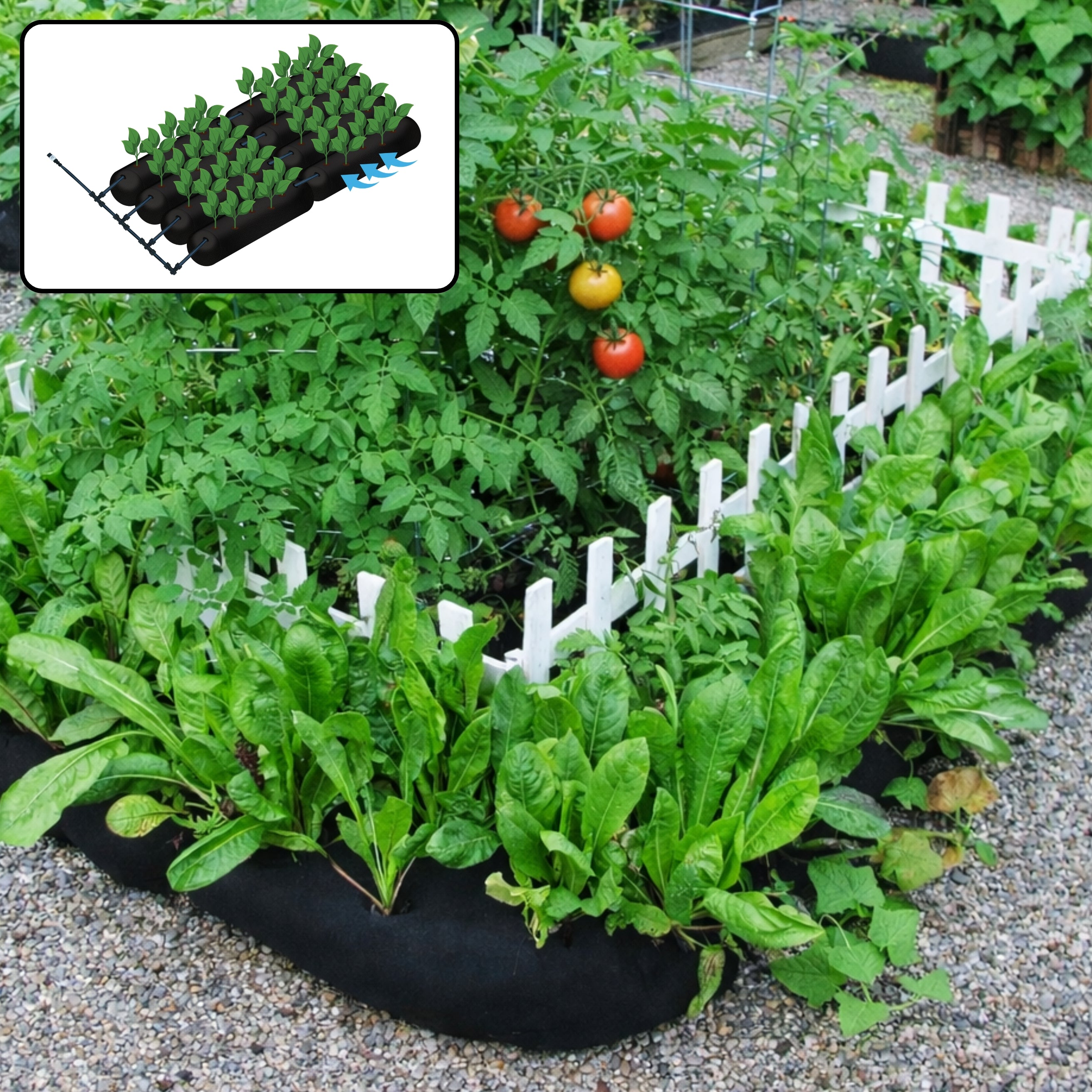
For gardeners who don't want to construct permanent raised beds, GardenSoxx offers a flexible alternative. The mesh growing system can be arranged in different configurations to suit available space, without the lumber and construction involved in traditional raised beds. Its breathable mesh also encourages natural air pruning, helping prevent the root circling commonly associated with conventional containers.
A reusable setup won't eliminate gardening expenses, but spreading that initial investment over several growing seasons can make growing your own food more economical in the long run. Since GardenSoxx can be used for 3-5 years, the already low cost makes even more sense.
Keep your soil productive. Repeated harvesting removes nutrients from the growing medium. Compost and suitable natural soil amendments can help replenish fertility, but it's worth understanding what your soil actually needs rather than adding products indiscriminately.
Healthy plants are generally better positioned to produce worthwhile harvests, making soil maintenance part of the financial equation.
And perhaps most importantly, don't feel you need every gardening accessory on the market. A few productive plants in a well-planned growing space can be more economical than a large, expensive garden that becomes difficult to maintain.
How Much Money Can a Vegetable Garden Save?
Grocery prices vary considerably, and a garden's productivity depends on weather, soil conditions, growing experience, and how well the crops are maintained.
A first-year gardener purchasing containers, soil, tools, and irrigation equipment might spend more than the harvest is worth. Someone reusing an established setup could have much lower annual expenses.
It's also important to count what you eat, not everything you harvest. Tomatoes left rotting on the vine don't represent money saved.
If you're curious about your own savings, keep a simple record of what you harvest and compare it with what you would normally pay at the grocery store. You may be surprised which crops turn out to be your best investments.
The Benefits That Don't Appear on a Grocery Receipt
Financial savings are only one reason to grow vegetables. Home gardening gives you access to produce harvested at its peak, often minutes before you eat it. You can grow unusual varieties that aren't commonly available in supermarkets and choose how your plants are cared for.
There's also a practical satisfaction in stepping outside for a handful of herbs rather than buying another plastic package. And while gardening requires effort, many people genuinely enjoy that time outdoors.
Those benefits won't reduce your grocery bill directly, but they're worth considering when deciding whether a garden is a worthwhile investment.
Start With What You Already Buy

If you're interested in growing your own food to save money, resist the temptation to plant a little of everything. Start with three or four crops you regularly purchase. Fresh herbs, salad greens, and cherry tomatoes are sensible choices for many households.
Pay attention to what grows well, how much you harvest, and which purchases you actually eliminate, and then expand strategically from there.
A vegetable garden doesn't have to replace your weekly grocery trip to be worthwhile. Sometimes the most economical garden is simply one that produces a steady supply of the foods you enjoy eating.
If you're looking for a flexible, reusable way to get started, explore the GardenSoxx growing system and see how it could fit into your available space.