Late July is when your garden starts telling you exactly what it needs. Here’s how to spot common gardening issues early, and what you can do to keep your harvest on track.
As summer wears on, the excitement of planting fades and the joys and challenges of a garden in full growth mode begin to set in. Now comes the most important part of the season: the midsummer garden check in.
July and August can be the most demanding part of the season - heat waves, fluctuating rainfall, nutrient depletion and heavy fruit production can all start showing you where your garden may need some extra attention.
The good news is that most of these issues are common and normal, and with a bit of attention, they can be corrected before they affect your harvest. As you walk through your garden this week, keep an eye out for these common signs:
Flowering Plants but No Fruit/Vegetables
You planted peppers, cucumbers, squash and zucchini, and while the plants are growing and their flowers are blooming, that’s all they seem to be doing. This can be caused by too much heat, poor pollination or excess nitrogen in the soil or simply plants that are not yet mature enough to produce.

The solution is not necessarily to fertilize more. In fact, adding more nitrogen can sometimes encourage even more leafy growth at the expense of flowers and fruit.
Take a look around your garden and see if there are plenty of pollinators at work, especially bees. If you don't see many, poor pollination could be part of the problem.
For crops such as squash and zucchini, hand-pollination is a simple way to help. First, identify a male flower, which grows on a thin stem without a small fruit behind it. Using a small, clean paintbrush or cotton swab, gently collect pollen from the centre of the male flower. Transfer that pollen to the centre of a female flower, which can be identified by the tiny immature squash or zucchini directly behind the blossom.
Cucumber flowers can also be hand-pollinated using the same basic method, although their flowers are smaller and may require a little more patience.
When plants are flowering and producing during periods of heat or environmental stress, a seaweed-based biostimulant may also provide useful support. GardenSoxx® Seaweed Extract is formulated to support root health, stress resilience, flowering and fruiting. It should be viewed as one part of a good care routine, and not as a substitute for pollination, consistent watering or balanced soil fertility.
Tomato Leaves are Curling
It is important to know that leaf curling is not always a disease or a major issue. If the plants are a healthy shade of green and are producing fruit, then they are often fine and the leaf curl can simply be a result of fluctuations in the weather in this late season.

Heat waves combined with occasional heavy rain can create large swings between dry and saturated soil. Try to maintain relatively even moisture rather than allowing the soil to become extremely dry before soaking it.
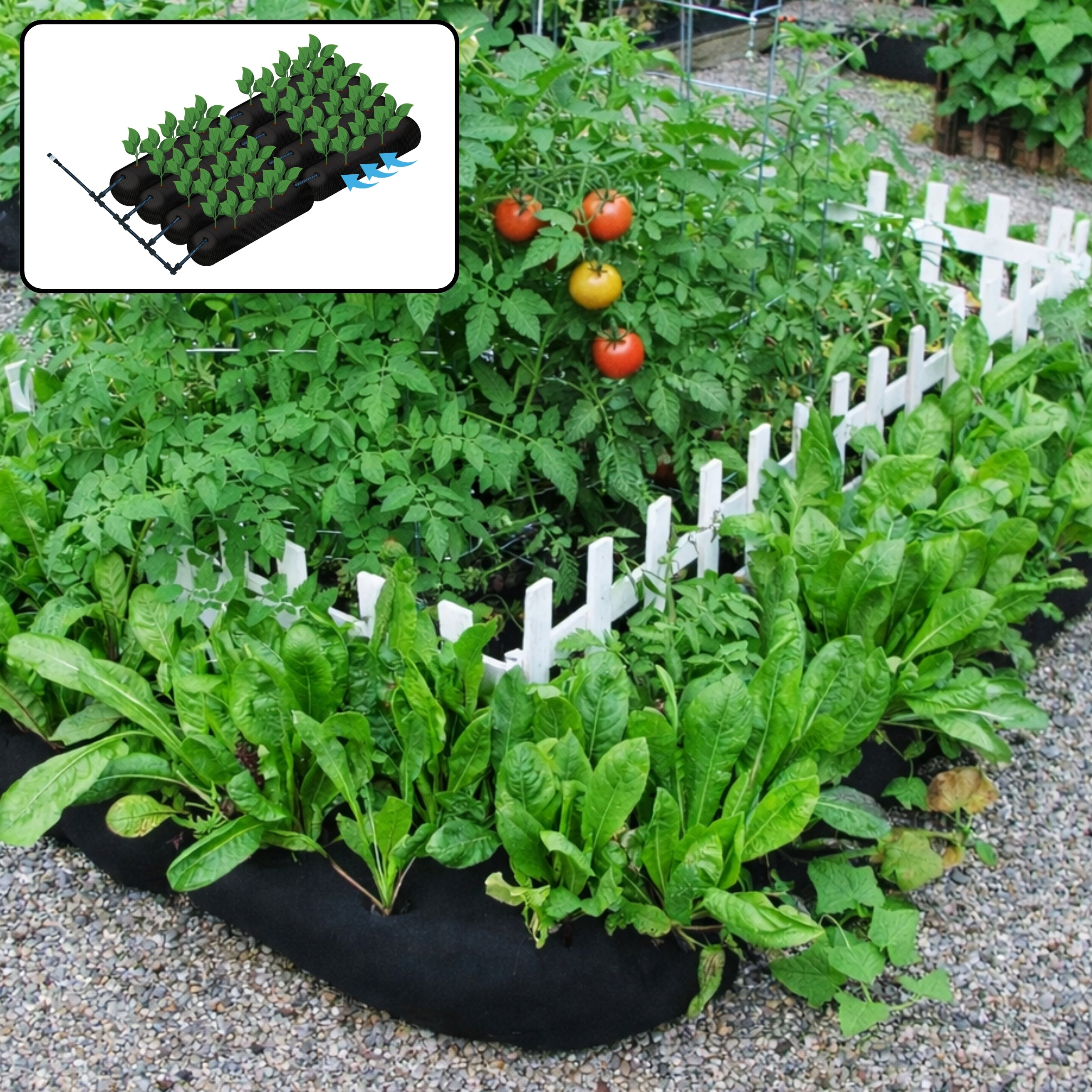
A drip irrigation system can make this easier by delivering water slowly and directly to the root zone. GardenSoxx® kits include drip irrigation components designed to help provide consistent watering without repeatedly wetting the plant’s foliage.
Remember that irrigation schedules should be adjusted according to the weather. After several days of heavy rain, pause or reduce your irrigation so the plants are not receiving more water than they need.
Leaf curl accompanied by severe stunting, unusual discoloration, distorted new growth or a rapid decline throughout the plant deserves closer investigation, as these symptoms may point to something more serious than temporary environmental stress.
Plant Leaves are Turning Yellow
When leaves start turning yellow, the first step is to figure out which leaves are changing and how the rest of the plant looks.
 If only a few of the oldest leaves near the bottom of the plant are yellowing while the rest of the plant remains healthy and green, this is often a normal part of the plant's life cycle. As plants mature, they naturally redirect energy and nutrients toward producing flowers and fruit, causing older leaves to fade.
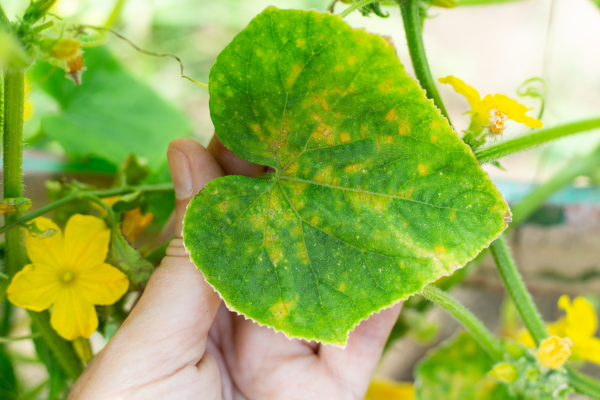
However, yellowing that spreads throughout the plant, affects new growth or appears alongside stunted growth and wilting may point to inconsistent watering, nutrient deficiencies, root stress, poor drainage or difficulty accessing nutrients already present in the soil.
Before automatically adding fertilizer, check the soil moisture and consider the plant’s overall condition. Overwatering can interfere with healthy root function and create symptoms that look similar to a nutrient deficiency.
In some cases, an amendment such as Kaytonik® may be beneficial. Kaytonik contains peat-derived humic and fulvic acids. These do not replace fertilizer, but they can help support root activity, microbial life and the plant’s ability to make use of water and nutrients in the growing medium.
This can be particularly useful during the demanding middle of the season, when established plants are supporting both continued growth and fruit production.
Plants Are Wilting in the Afternoon
Seeing plants wilt on a hot afternoon can be alarming, but it does not always mean they need more water.
During extreme heat, leaves can lose moisture faster than the roots are able to replace it. Some plants temporarily droop during the hottest part of the day and recover once temperatures cool in the evening.
Check the plants again early the following morning. If they have recovered and the soil still feels moist below the surface, additional watering may not be necessary.
Plants that remain wilted in the morning require more attention. Check whether the soil is extremely dry, waterlogged or compacted, and inspect the stem and roots for signs of damage or disease.
Always check the soil before watering rather than relying only on the appearance of the leaves. Automatically adding more water whenever a plant droops can create an overwatering problem, especially in contained gardens and growing systems.
Tomatoes or Peppers Have Dark, Sunken Spots on the Bottom
A dark, leathery or sunken spot on the blossom end of a tomato, pepper, squash or eggplant is usually blossom-end rot.
Although blossom-end rot is associated with calcium, it does not always mean that the soil lacks calcium. More often, inconsistent soil moisture or root stress prevents the plant from moving calcium efficiently to the developing fruit.
Remove severely affected fruit so the plant can direct its energy elsewhere, and focus on keeping the root zone evenly moist. Avoid repeatedly allowing the soil to dry out completely and then saturating it.
A drip irrigation system can be particularly helpful because it delivers water directly to the growing area at a controlled rate. However, even automated systems need to be adjusted during periods of extreme heat or heavy rainfall.
Avoid adding calcium products unless you have reason to believe your soil is actually deficient. Improving watering consistency is often the most important first step.
Powdery Mildew Appearing on Leaves
One day your leaves look perfectly healthy, and the next they appear to have been dusted with white flour. Powdery mildew is one of the most common fungal diseases gardeners encounter in mid to late summer, especially during periods of warm days, cool nights and high humidity.]
 While it rarely kills established plants outright, it can weaken them by reducing their ability to photosynthesize, ultimately affecting plant vigor and harvest.
If you notice powdery mildew beginning to develop, remove the worst affected leaves and dispose of them rather than composting them. Water at the base of the plant instead of wetting the foliage, and if possible, improve airflow by removing overcrowded growth.
GardenSoxx helps keep soil contained while allowing air to move through the mesh around the root zone. Above the soil, however, plants still need appropriate spacing and occasional pruning to maintain airflow through the foliage.
Catching powdery mildew early is much easier than trying to manage it after it has spread throughout the entire plant.
Tiny Fruits or Plants That Have Suddenly Stopped Growing
If your plants seem reasonably healthy but fruit development has slowed to a crawl, don't assume you've done something wrong.

During extended periods of high heat, many vegetable plants shift into survival mode. Instead of putting energy into producing large fruits, they focus on conserving moisture and protecting themselves from stress. It's surprisingly common to see peppers stop sizing up, cucumbers remain small, or tomatoes appear to stall during a heat wave.
The best thing you can do is continue providing consistent moisture and avoid making major changes out of frustration. Once temperatures moderate, many plants resume normal growth on their own.
A seaweed extract may be helpful during prolonged periods of environmental stress. GardenSoxx® Seaweed Extract has a 1-0-17 analysis and is intended to support roots, stress resilience, flowering and fruiting.
It should not be presented as an instant cure for stalled plants. First rule out poor watering, pest pressure, disease, inadequate sunlight and severe nutrient deficiencies. Once the basic needs of the plant are being met, an amendment can provide additional support.
Holes in Your Leaves
Finding holes in your leaves can be alarming, but before reaching for a treatment, take a few minutes to figure out who is actually doing the eating.

Different pests leave different clues. Large irregular holes may indicate slugs or caterpillars, while smaller holes or skeletonized leaves can point to beetles such as Japanese beetles. Many insects hide during the day, so inspect both the tops and undersides of leaves early in the morning or around dusk.
Not every damaged leaf needs to be removed. If feeding is minor and the plant is otherwise healthy, it will often continue producing without issue. The key is identifying the pest early before a small problem becomes a larger infestation.
Does Your Garden Just Look... Tired?
Sometimes there is no single obvious problem. The garden simply looks less vigorous than it did a few weeks earlier.
By late July, your plants have been growing for months. They've been watered regularly, produced flowers and fruit, and have pulled a tremendous amount of nutrients and energy from the soil.
This is a good time to think beyond fertilizer alone. Healthy soil is a living ecosystem. Its structure, moisture balance, microbial activity and ability to hold nutrients all influence plant health.
CultiVital™ is a liquid blend of activated biochar and Leonardite-derived humates. These materials are intended to support microbial activity around the roots, nutrient exchange, moisture retention and the overall condition of the growing medium.
Rather than treating CultiVital as a quick rescue product, think of it as support for the environment in which the roots are growing. That makes it particularly relevant for productive gardens, containers and GardenSoxx systems that are carrying plants through the demanding middle and later portions of the season.
Always follow the product directions and avoid assuming that every tired-looking plant needs another amendment. Check watering, sunlight, pest pressure and disease symptoms first.
Are You Harvesting Enough?
One of the simplest ways to encourage many vegetables to keep producing, and also one of the easiest to overlook, is to harvest regularly.
Plants naturally produce seeds to complete their life cycle. If ripe vegetables are left on the plant too long, the plant begins to think its job is finished and slows down production. By harvesting frequently, you're encouraging the plant to continue flowering and producing more fruit.
- This is especially true for:
- Beans
- Cucumbers
- Peppers
- Zucchini
- Basil and many other herbs
Check fast-growing crops regularly. A small zucchini or cucumber can become oversized surprisingly quickly, particularly during warm weather.
 Harvesting herbs before they become heavily flowered can also help preserve leaf quality and encourage bushier growth. However, consider leaving a few flowers for pollinators when appropriate.
Even when you cannot use the entire harvest immediately, picking produce at the right stage can support continued production. Extra vegetables can be shared, frozen, preserved or added to a community food donation.
Your Five-Minute Mid-Summer Garden Walk
You don't need to spend hours inspecting your garden every day. Just taking five minutes every few days to really observe your plants can help you catch small issues before they become major problems.
As you walk through your garden, look for:
- Healthy new growth
- Flowers developing into fruit
- Yellowing or curling leaves
- Signs of pests underneath leaves
- Powdery mildew beginning to form
- Soil moisture before watering
- Vegetables ready to harvest
- Any plants that seem to have slowed down or stopped growing
A growing system that is easy to access and monitor makes this regular check-in much simpler. GardenSoxx can be installed on a variety of surfaces and arranged at a comfortable working height, helping gardeners keep plants within reach and making it easier to notice changes early.
Its breathable mesh and included drip irrigation system also support two of the most important foundations of plant health: a well-aerated root zone and consistent, targeted watering. Amendments such as GardenSoxx® Seaweed Extract, Kaytonik® and CultiVital™ can provide additional support when used for the right reasons, but they work best alongside (but not in place of) good soil, proper watering, adequate sunlight and regular observation.
Most mid-summer garden issues do not mean the season is over. Often, they are simply signs that growing conditions have changed or that productive plants need a little extra attention.
By identifying problems early, maintaining consistent moisture, supporting healthy roots and soil, and harvesting regularly, you can give your garden the best opportunity to remain healthy and productive well into late summer, and perhaps even into fall.